
- Top Rated Pest Removal Company
Mosquito Control Al Ain Professional Treatment for Homes, Gardens, and Businesses
Mosquitoes in Al Ain are not just an irritation at night. They are classified as public health pests by UAE health authorities and carry dengue fever, West Nile virus, malaria, and chikungunya. A single female mosquito lays up to 300 eggs in one batch, and those eggs hatch in as little as 24 hours in Al Ain’s warm standing water. By the time you notice biting activity in your garden, hundreds of larvae are already developing in your irrigation sumps, drainage outlets, and decorative water features. Prime Pest UAE provides municipality-approved mosquito control in Al Ain with a free inspection, larval source elimination, botanical residual spray, and a guaranteed follow-up visit for complete protection across residential and commercial properties.
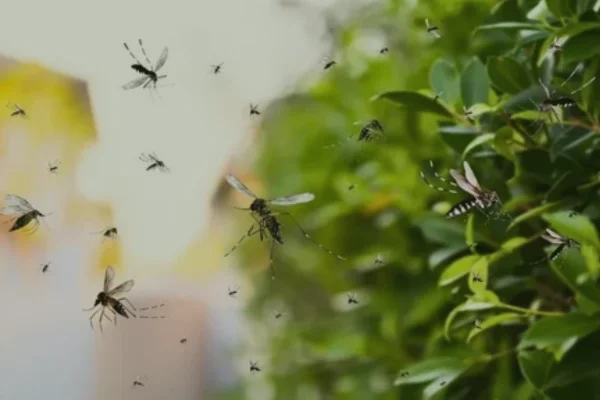
How to get rid of mosquitoes in Al Ain?
- Eliminate all standing water sources, including irrigation sumps, drainage outlets, and uncovered containers.
- Apply Bacillus thuringiensis israelensis (Bti) to remaining water sources to kill larvae biologically.
- Treat the garden perimeter and vegetation with residual botanical spray.
- Install fly screens on windows and doors.
- Schedule a monthly professional treatment between April and October for sustained protection.
How Much Does Mosquito Control Cost in Al Ain?
Mosquito control in Al Ain costs between AED 200 and AED 650 for standard residential properties. The final price depends on garden size, number of breeding sites identified, treatment method required, and whether indoor treatment is needed alongside outdoor garden treatment. A free inspection is always conducted before any quote is confirmed.

Mosquito Control Pricing Table - Al Ain 2026
Mosquito Control Pricing — Al Ain 2026
All prices are in AED and include 5% VAT. Final price confirmed after free on-site inspection.
| Service | Property Type | Category | Price (AED) |
|---|---|---|---|
| Free Mosquito Inspection | Villa or Apartment | Residential | Free |
| Garden Mosquito Spray Treatment | Standard Villa Garden | Residential | 200 – 400 |
| Full Garden and Perimeter Treatment | Large Villa with Compound | Residential | 350 – 600 |
| Indoor Mosquito Treatment | Apartment or Indoor Areas | Residential | 150 – 300 |
| Biological Larvicide (Bti) Treatment | Per Water Feature or Sump | Biological | 100 – 200 |
| Commercial Mosquito Control | Restaurant Outdoor Area | Commercial | 350 – 650 |
| Commercial Mosquito Control | Hotel or Resort Grounds | Commercial | 500 – 1,500 |
| Emergency Same-Day Treatment | Any Property | Emergency | 400 – 800 |
| Monthly Treatment Programme | Villa — April to October | Monthly | 250 – 450 / visit |
| Annual Mosquito Control Contract (AMC) | Villa — 12 Monthly Visits | AMC | 2,000 – 4,000 / yr |
Why Monthly Treatment Is the Most Cost-Effective Option in Al Ain
A single mosquito spray treatment protects for three to four weeks outdoors. Al Ain’s daily garden irrigation, summer rainfall events, and year-round warm temperatures mean that new larvae develop continuously throughout the April to October season. A monthly treatment programme maintains continuous larval source control and residual spray coverage without allowing populations to rebuild between visits. Over the full seven-month peak season, monthly treatment costs significantly less than managing an established infestation with emergency visits.

About Prime Pest UAE - Al Ain's Municipality-Approved Mosquito Control Specialists
Prime Pest UAE is a fully licensed, municipality-approved pest control company based in Al Ain, Abu Dhabi. We hold a valid license from the Abu Dhabi Public Health Centre (ADPHC) and operate in full compliance with Abu Dhabi Department of Economic Development (DED) trade licensing requirements. Every mosquito treatment we deliver follows the technical guidelines issued by Tadweer for integrated public health pest management across the Abu Dhabi emirate.
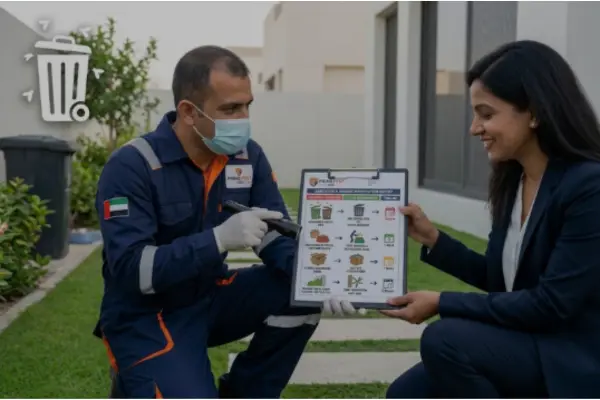
Our Certifications and Approvals
Our certified technicians serve residential villas, apartments, hotels, restaurants, schools, healthcare facilities, and commercial properties across all areas of Al Ain. We are available 24 hours a day, 7 days a week for emergency mosquito control alongside scheduled monthly treatment programmes and annual maintenance contracts.
Every Prime Pest UAE technician holds a valid certification covering safe pesticide handling, biological larvicide application protocols, and personal protective equipment requirements. All chemical and biological products we apply carry the UAE Ministry of Climate Change and Environment registration. We provide a written service report after every visit detailing products applied, breeding sites identified and treated, areas sprayed, and follow-up recommendations. This documentation meets Al Ain Municipality compliance requirements for both residential and commercial mosquito control records.
Why Choose Prime Pest UAE for Mosquito Control in Al Ain?
Al Ain has many pest control companies. Not all of them are licensed. Not all of them use registered products. Not all of them follow integrated management protocols that permanently eliminate rodent infestations rather than just temporarily. Here is what makes Prime Pest UAE specifically the right choice for rodent control in Al Ain.
Municipality-Approved Biological & Chemical Methods
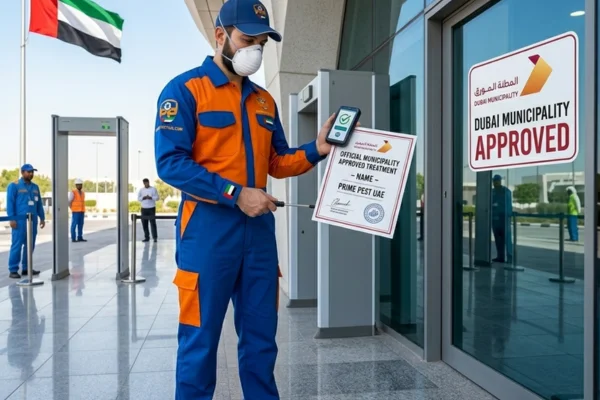
Every product we use is registered with the UAE Ministry of Climate Change and Environment and approved for residential and commercial use. Our biological larvicide programme using Bti is safe for use around children, pets, fish, and beneficial insects. Our residual spray formulations are microencapsulated and odourless, certified for use in occupied residential and commercial spaces.
Al Ain Specific Local Knowledge

Our technicians understand Al Ain’s specific mosquito breeding conditions in detail. We know that Al Hili’s parks and irrigated green spaces create high breeding pressure near adjacent villas. We know that Al Jimi’s date plantations retain irrigation moisture that sustains Culex perexiguus populations through the summer. We know that Al Qattara’s drainage channels create breeding corridors that connect multiple residential areas. This local knowledge means every treatment plan we build addresses the actual mosquito pressure at your specific property.
Larvicide Treatment Included as Standard
Most mosquito control providers in Al Ain apply adult spray only. Prime Pest UAE includes biological larvicide treatment of all identified water sources as standard in every treatment visit. Eliminating larvae before they become biting adults is the single most effective step in any mosquito control programme and the only way to reduce population levels sustainably between visits.
Transparent Pricing With Free Inspection
We do not quote prices over the phone without seeing your property. Every client receives a free on-site inspection before any price is confirmed. The quote we provide after inspection is the price you pay.
Guaranteed Follow-Up Visit Included

Every mosquito treatment includes a follow-up visit at day 14 to 21 at no additional charge. If mosquito activity continues after the follow-up, we return for re-treatment within our guarantee period at no additional cost.
24/7 Emergency Mosquito Control Across Al Ain
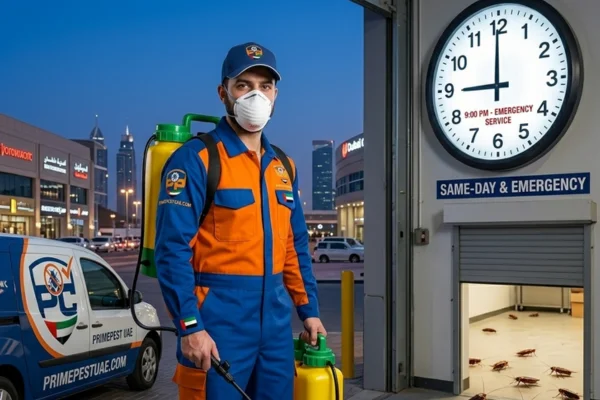
The Prime Pest UAE team is available around the clock for same-day emergency mosquito control across all areas of Al Ain.
Why Mosquitoes Are a Bigger Problem in Al Ain Than in Other UAE Cities
Al Ain carries a unique mosquito risk profile that most residents do not fully appreciate. The city’s widespread garden irrigation systems, natural oases, date palm plantations, open drainage channels, and year-round green landscaping create more mosquito breeding sites per square kilometre than any other city in the Abu Dhabi emirate.
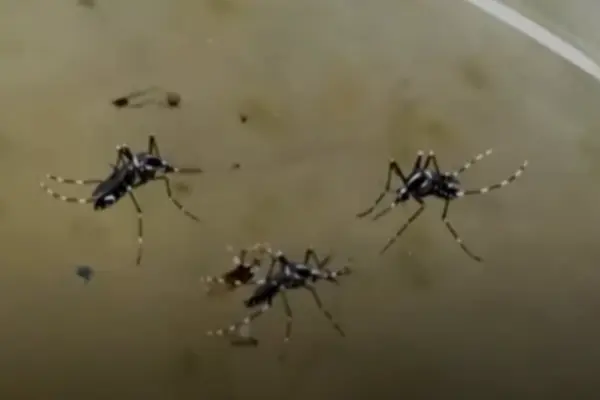
Furthermore, scientific research conducted at the Al Ain Zoo peri-urban site identified Culex perexiguus as the predominant mosquito species in Al Ain. It detected the Bagaza virus and Barkedji virus in mosquito pools at that location. These are flaviviruses in the same family as West Nile virus and dengue fever. This makes Al Ain’s mosquito population a documented public health concern, not just a seasonal nuisance.
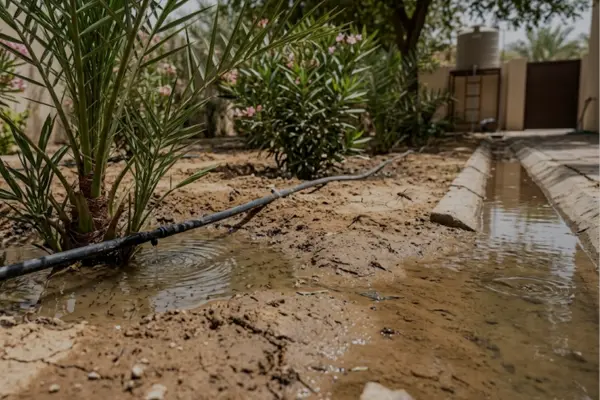
How Al Ain's Irrigation Infrastructure Creates Year-Round Breeding Conditions
Unlike Dubai or Abu Dhabi city centre, where hard surfaces and managed stormwater reduce breeding sites, Al Ain’s villa gardens rely on underground and surface drip irrigation systems that consistently produce moist soil, pooling water around plant bases, and partially filled drainage channels. Each of these is a mosquito breeding site. A female Culex mosquito needs as little as one centimetre of standing water to complete an egg-laying cycle.
Additionally, Al Ain experienced record rainfall of 254mm in April 2024, creating extensive stagnant water across residential areas. The UAE Ministry of Health and Prevention subsequently warned of elevated disease transmission risk across the emirate. Al Ain’s garden-heavy residential landscape made it one of the most heavily affected areas for post-rainfall mosquito breeding.
The Seasonal Peak You Cannot Afford to Miss
Mosquito populations in Al Ain build from March onward as temperatures rise. The peak breeding and biting period runs from April through October, with the highest activity occurring between June and September when temperatures exceed 40 degrees Celsius and outdoor irrigation runs daily. This is precisely the period when most Al Ain families want to use their gardens, outdoor majlis spaces, and swimming pool areas. Without a professional treatment programme in place before April, you spend the entire summer managing an established mosquito population rather than preventing one from developing.
Mosquito Species Found in Al Ain

Culex perexiguus
Culex perexiguus is the dominant mosquito species identified in Al Ain’s peri-urban environment by published research. It breeds in organically rich standing water, including irrigation drainage sumps, open drainage channels, and garden wastewater pools. It is primarily active at dawn and dusk, bites humans and animals, and is associated with flavivirus transmission in the Al Ain region specifically.
Anopheles stephensi
Anopheles stephensi is the malaria vector documented across the Arabian Peninsula. While local malaria transmission in the UAE is rare, imported malaria cases occur regularly, and this species acts as a potential bridging vector. It breeds in clear, standing water, including water storage tanks, ornamental ponds, and construction site water accumulations.
Aedes aegypti
Aedes aegypti is the primary carrier of dengue fever, chikungunya, and Zika virus. It breeds in small, clean water containers, including flower pot trays, bird baths, uncovered water tanks, and rainwater collected in outdoor items. Unlike Culex species, Aedes aegypti bites primarily during the day, making it difficult for residents to avoid exposure through simple behavioural changes alone.
Culex quinquefasciatus
Culex quinquefasciatus is the common house mosquito active across the Abu Dhabi emirate. It breeds in polluted, stagnant water, including blocked drains, septic overflow areas, and sewer drainage outlets. It is most active at night and is responsible for the majority of indoor biting complaints in Al Ain villas and apartments.
Health Risks of Mosquitoes in Al Ain Homes
Mosquito bites in Al Ain carry genuine disease transmission risks that go beyond itching and discomfort.
Dengue fever is the most significant immediate concern. Symptoms include high fever reaching 40 degrees Celsius, severe headache, joint and muscle pain, nausea, vomiting, and skin rash. Pregnant women, young children, elderly individuals, and those with underlying health conditions face the risk of severe dengue, which can be life-threatening. The UAE Ministry of Health issued formal mosquito warnings in December 2025 following increased resident reports of mosquito activity across the emirate.
West Nile virus has been detected in Culex mosquito pools at the Al Ain Zoo peri-urban site. Most infected individuals experience mild or no symptoms; approximately one in 150 infections results in severe neurological illness.
Chikungunya is transmitted by Aedes mosquitoes and causes fever, severe joint pain, muscle pain, and rash. UAE doctors have noted increased vigilance for this virus as travel from affected regions increases.
Malaria, though rare in UAE transmission terms, remains a risk through imported cases and the documented presence of Anopheles stephensi as a local bridging vector species.
Our Mosquito Control Process in Al Ain
01
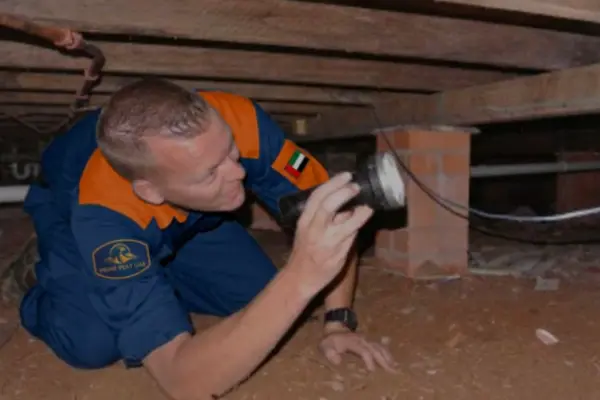
Free Property Inspection and Breeding Site Survey
The technician conducts a full inspection of all outdoor and indoor areas, identifying every active and potential mosquito breeding site. Inspection covers garden irrigation outlets, drainage sumps, roof gutters, ornamental water features, swimming pool surrounds, flower pot drainage trays, water storage tanks, outdoor waste areas, and any shaded low-lying areas where water accumulates after irrigation cycles.
Indoor inspection covers bathroom drainage points, utility room floor drains, and any areas of consistent moisture that support adult mosquito harborage during the day.
02
Larval Source Elimination
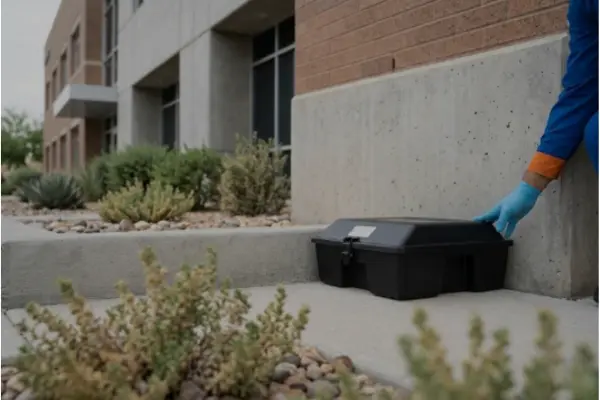
Wherever possible, standing water sources are physically eliminated or treated before any spray application. Empty planters, flower pot trays, and outdoor containers are cleared of accumulated water. Drainage outlets are checked and cleared of blockages that cause pooling. This source reduction step is the most important phase of any effective mosquito control programme because it removes the breeding infrastructure entirely rather than simply killing the adult population.
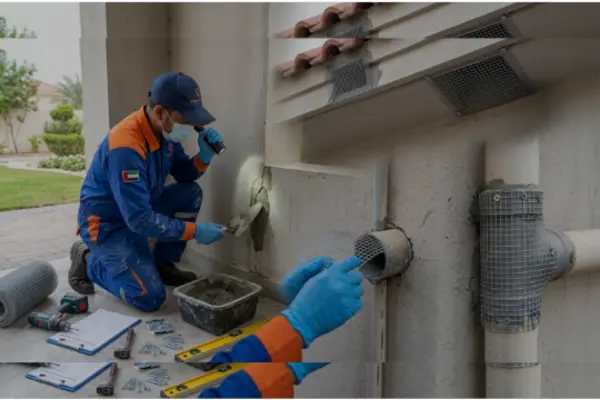
03
Biological Larvicide Treatment
Water sources that cannot be drained, including ornamental ponds, irrigation sumps, decorative water features, and drainage channels, receive treatment with Bacillus thuringiensis israelensis (Bti). Bti is a naturally occurring soil bacterium that produces proteins specifically toxic to mosquito and fly larvae. It eliminates larvae within 24 to 48 hours of application without harming fish, birds, pets, beneficial insects, or humans. It is approved for organic use and leaves no residue in treated water.
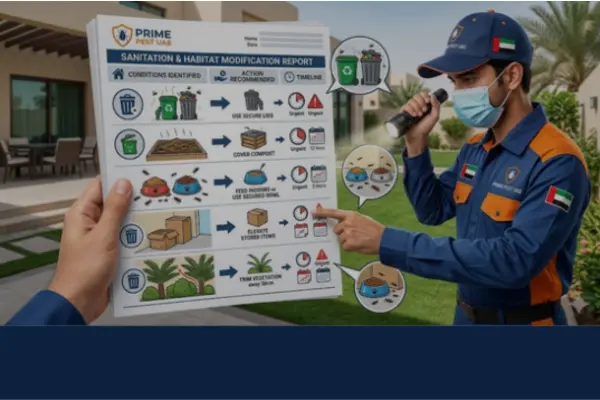
04
Residual Spray Treatment
Adult mosquito populations and resting sites receive treatment with residual microencapsulated insecticide spray. The technician applies this treatment to all garden vegetation, shaded areas beneath shrubs and trees, garden boundary walls, perimeter fencing, outdoor seating areas, and the exterior walls of the villa at ground level.
The microencapsulated formulation bonds to plant and surface materials and remains active for three to four weeks, killing mosquitoes that land on treated surfaces during their resting phases between blood meals.
05
Indoor Harborage Treatment
Where indoor mosquito activity is reported, the technician applies targeted treatment to bathroom drainage areas, utility room corners, shaded storage spaces, and any indoor areas where adult mosquitoes rest during the day. Fly screens on windows and doors are assessed, and any gaps or damage are documented in the written service report.
06
Follow-Up Visit and Monitoring
A follow-up visit is scheduled between day 14 and day 21 after initial treatment. The technician reassesses all larval source areas, checks Bti treatment effectiveness, and refreshes residual spray in areas where rainfall or irrigation has reduced surface residual coverage. If mosquito activity continues at an unacceptable level after the follow-up, Prime Pest UAE returns for re-treatment within the guarantee period at no additional charge.
Areas We Serve for Mosquito Control in Al Ain
Prime Pest UAE provides professional mosquito control across all major areas of Al Ain.

Al Jimi
Al Jimi's date palm plantations retain ground moisture from irrigation that sustains large Culex perexiguus breeding populations adjacent to residential villas throughout summer.

Al Towayya
Al Towayya's mixed residential and commercial density means drainage from restaurant waste areas and commercial properties creates Culex quinquefasciatus breeding sites near adjacent villa gardens.
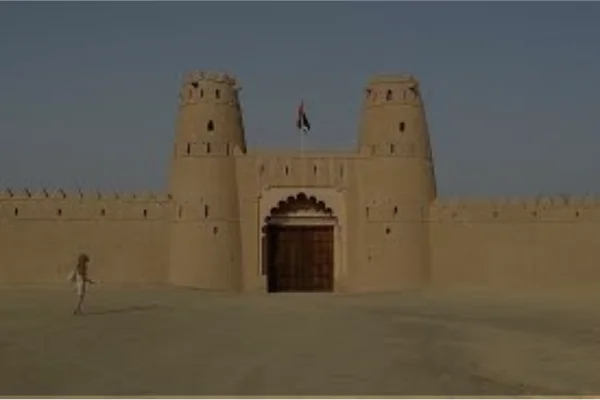
Al Muwaiji
Al Muwaiji's older villa compounds with established garden irrigation systems and mature vegetation provide abundant adult mosquito resting sites alongside multiple larval breeding zones.
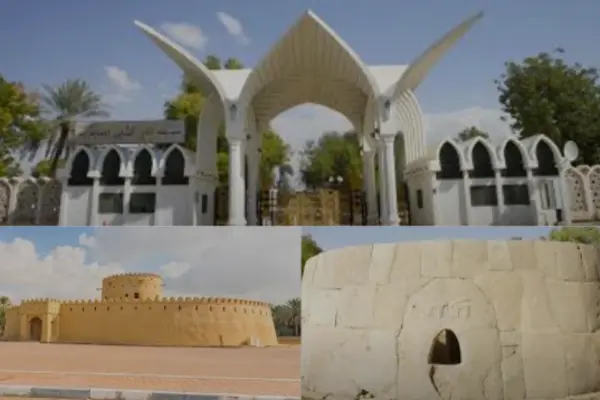
Al Hili
Al Hili's extensive parks, green corridors, and heavily irrigated residential compounds create the highest garden mosquito breeding pressure of any residential area in Al Ain.
Zakher
Zakher's agricultural land borders mean irrigation overflow from farming areas reaches residential drainage systems, creating Anopheles and Culex breeding sites at the villa perimeter level.

Al Qattara
Al Qattara's proximity to the Al Ain Oasis and its extensive falaj irrigation system creates consistent ground moisture and shaded vegetation that supports year-round mosquito harborage.

Al Ameriya
Al Ameriya's villa compounds with shared garden walls and communal landscaping create enclosed green spaces where adult mosquitoes concentrate during resting periods between blood meals.

Al Bateen
Al Bateen's hotel and hospitality corridor requires intensive mosquito control around outdoor dining and pool areas to protect guests and maintain municipality compliance for food and hospitality licensing.

Al Foah
Al Foah's date palm farms and irrigated agricultural areas create some of the highest Culex perexiguus breeding concentrations in the Al Ain region, with pressure spreading into adjacent residential properties during peak season.

Al Maqam
Al Maqam's residential villas with large garden areas and proximity to green belt corridors experience consistent adult mosquito migration from surrounding irrigated landscaping.
- Get in Touch
Book Mosquito Control Service in Al Ain
Contact Prime Pest UAE today for a free mosquito inspection across any area of Al Ain. Our municipality-approved team eliminates every breeding site, treats every resting zone, and delivers a follow-up visit guaranteed to confirm complete protection for your home, garden, and family. For all pest services we cover at your villa, read our guide on pest control for villas in Al Ain. For full 2026 pricing across all services, visit our pest control cost guide for Al Ain.
- FAQs
Discover Answers to Popular Queries
What is the best mosquito control method for Al Ain gardens?
The most effective method for Al Ain gardens combines biological larvicide treatment of all standing water sources using Bti with residual microencapsulated spray applied to vegetation, shaded areas, and garden boundary walls. This two-layer approach eliminates both larvae before they develop and adult mosquitoes on contact with treated resting surfaces.
How often should I treat for mosquitoes in Al Ain?
Monthly professional treatment between April and October is the recommended schedule for Al Ain residential gardens. This frequency matches the three to four week residual effectiveness of spray treatments and ensures continuous larval source control throughout the peak breeding season. Between November and March, quarterly treatment maintains protection at a lower activity level.
Are mosquito control treatments safe for children and pets in Al Ain?
Yes. Prime Pest UAE uses municipality-approved formulations that are certified safe for residential use. Biological Bti larvicide is completely safe for children, pets, fish, and beneficial insects. Residual spray treatments require residents to stay away from treated outdoor areas for two to three hours while surfaces dry.
Can mosquitoes in Al Ain transmit dengue fever?
Yes. Aedes aegypti mosquitoes, the primary dengue fever vector, are present in the UAE. The UAE Ministry of Health issued formal warnings about increased dengue transmission risk following rainfall events in 2024 and again in December 2025. Professional mosquito control that eliminates Aedes breeding sites and adult populations is the most effective personal protection measure available.
Why are mosquitoes worse after rain in Al Ain?
Rainfall creates new standing water sources in gardens, drainage areas, and outdoor containers that immediately become mosquito breeding sites. At Al Ain’s summer temperatures, mosquito eggs hatch within 24 to 48 hours, and larvae complete their development into biting adults in seven to ten days. After even a moderate rainfall event, mosquito populations can double within two weeks without larval source treatment.
Does mosquito control also treat flies in Al Ain?
The garden perimeter residual spray applied during mosquito treatment provides partial protection against flying insects, including flies. However, targeted fly control for commercial kitchens and outdoor dining areas requires a separate treatment approach. Ask our team about combined mosquito and fly control packages for your property.
How long does a professional mosquito treatment take in Al Ain?
A standard villa garden treatment takes 45 minutes to 90 minutes, depending on garden size and the number of larval breeding sites requiring Bti application. Larger compounds or commercial properties with extensive outdoor areas may require two to three hours for complete treatment coverage.